Codex Review Gates: Release Codex-Assisted Skill Changes Safely into Axon
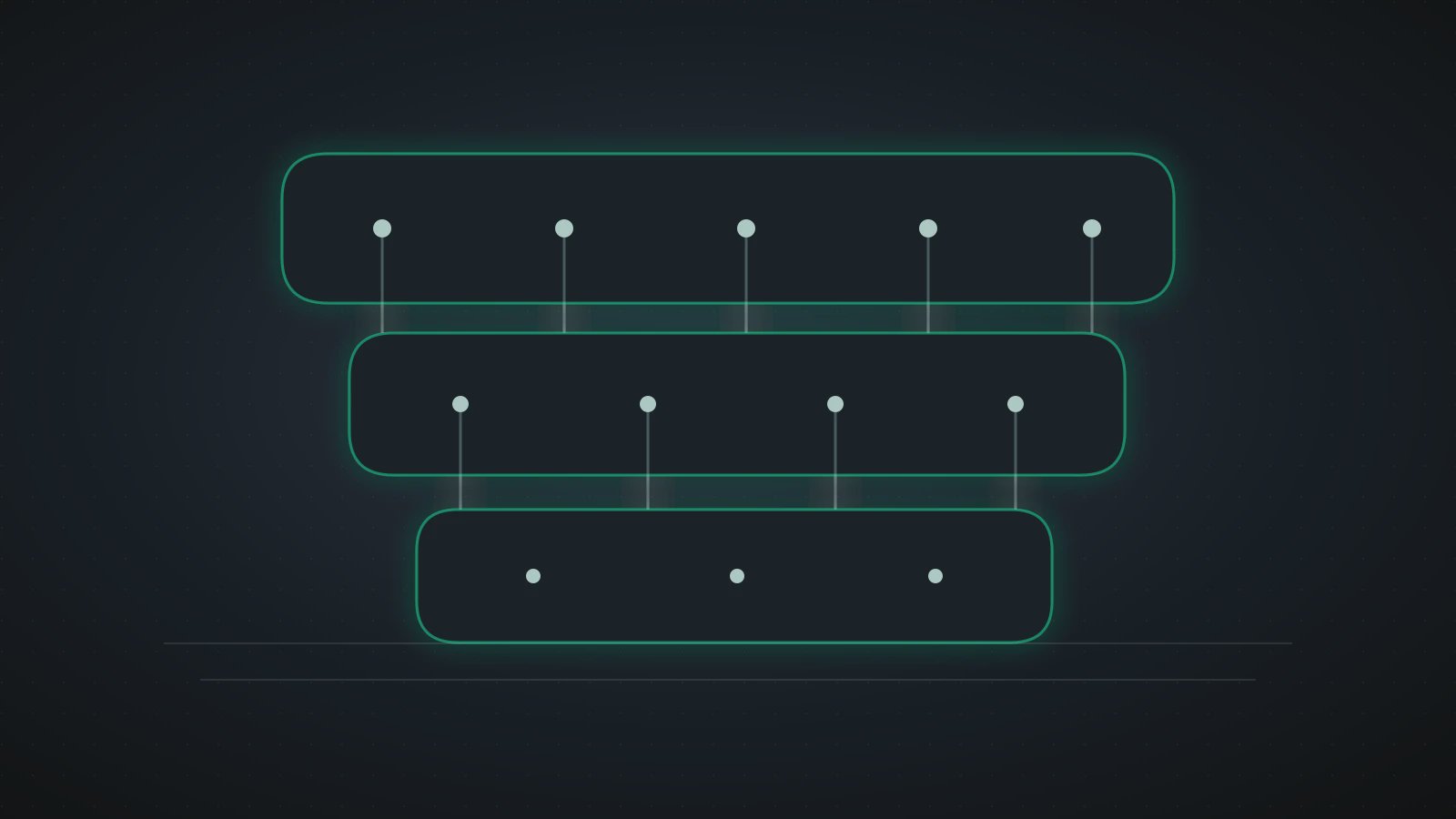
Codex Review Gates are the release checks a Codex-assisted Axon Skill change must pass before it enters a production workflow. They review diff intent, regression samples, output schema stability, permission impact, fallback routes, and rollback plans. Developers can use Codex every day to patch scripts, add tests, change templates, and improve Skill behavior. The pain point is not whether the change can be made. The bottleneck is whether the business workflow quietly changed after the patch.
OpenAI's tools guide shows how models can use tools, MCP, function calling, shell, and apply patch. The OpenAI Agents SDK guide describes agents with tools, handoffs, streaming, and traces. Axon's workflow should not hand those capabilities directly to business automation without release review. Codex-generated Skill changes need a gate before they become reusable units inside an Agent Pipeline.
Codex can help change a Skill faster. Codex Review Gates decide whether that change is safe enough for a reusable AI employee workflow.
Skill release is not just a clean diff
A Codex patch may look clean. The explanation may sound clear. A Skill release still has to account for business behavior. A changed field name, permission level, default path, error return, or output type can affect downstream Agents.
| Gate | Review question | If it fails |
|---|---|---|
| Diff intent | What does this change solve, and what does it not solve? | Narrow the brief |
| Regression samples | Do old examples still pass? | Block release and repair |
| Schema stability | Are output fields and types stable? | Write migration or pin version |
| Permission impact | Did auto, confirm, or auth change? | Send to Trust Mode approval |
| Fallback route | What happens on failure? | Add Skill Fallback Routes |
| Rollback plan | How is the release reversed? | Keep old version and samples |
This table prevents a Skill release from being reduced to "Codex changed it." Axon cares whether the change alters workflow behavior.
Review manifest
codexReviewGates:
  skill: "campaign-brief-quality-check"
  changeIntent: "tighten unsupported-claim detection"
  codexPatch:
    changedFiles: 3
    testAdded: true
  regressionSamples:
    pass:
      - "valid bilingual article"
      - "missing source claim"
    fail:
      - "unverified SDK availability claim"
  schemaImpact:
    outputFieldsChanged: false
  permissionImpact:
    before: "confirm"
    after: "confirm"
  fallback:
    route: "ask for source evidence"
  decision:
    release: "hold-for-owner-review"
The manifest connects directly to Developer Skill Workflows: Codex helps produce the implementation; Axon Review Gates decide whether the Skill can be released.
Why Review Gates belong in the Agent Pipeline
Once a Skill is called by an Agent, it stops being isolated. It can affect content operations, customer follow-up, finance checks, legal review, or global trade quotes. If Codex changes a Skill shared by multiple Agents, the blast radius is larger than a single chat answer.
That is why Workflow Version Pinning belongs here. Before release, the team should know which Skill version an Agent is pinned to, which workflows may be affected, and whether a staged rollout is needed. Codex Review Gates do not block iteration. They make iteration auditable.
Three sample classes before release
Step 1: prepare success samples to prove the normal path still works. Step 2: prepare failure samples to prove bad input is rejected or downgraded correctly. Step 3: prepare boundary samples to prove permissions, paths, and external tools are not triggered by mistake.
If only success samples exist, the team is mistaking a demo for a release. Real Skill release review covers failure and boundary behavior.
Codex's place on the release board
Codex belongs on the execution side of the release board: produce patches, explain differences, add tests, prepare a review manifest, and run local checks. Axon sits on the decision side: whether schema changed, whether permission increased, whether downstream Agents are affected, and whether owner approval is needed.
That division lets Codex speed serve business stability instead of replacing it. When a Skill uses Connector-Gated AI Workflows to reach external systems, Review Gates must also confirm that connector access did not expand accidentally.
FAQ
Q1: Does every Codex-assisted Skill change need full review?
No. Copy, comments, or non-runtime changes can use a lighter review. Changes to schema, permissions, paths, external tools, default behavior, or downstream artifacts need full gates.
Q2: Will Review Gates slow Skill iteration?
They make release more careful, but reduce rollback and business rework. For reusable Skills, stability is part of iteration speed.
Q3: Who owns the final release decision?
Codex does not own release. Developers provide change evidence, and the workflow owner plus business reviewer decide whether the Skill enters the Agent Pipeline.
Turn Codex changes into releasable capability
The next time Codex changes an Axon Skill, do not stop at a passing patch. Write Codex Review Gates for intent, regression, schema, permission, fallback, and rollback. Learn more from developer Skill workflows, version pinning, and connector-gated workflows, then get started by turning Codex speed into a Skill release process the business can reuse.