Replayable AI Workflows: The Evidence Layer for Trustworthy AI Employees
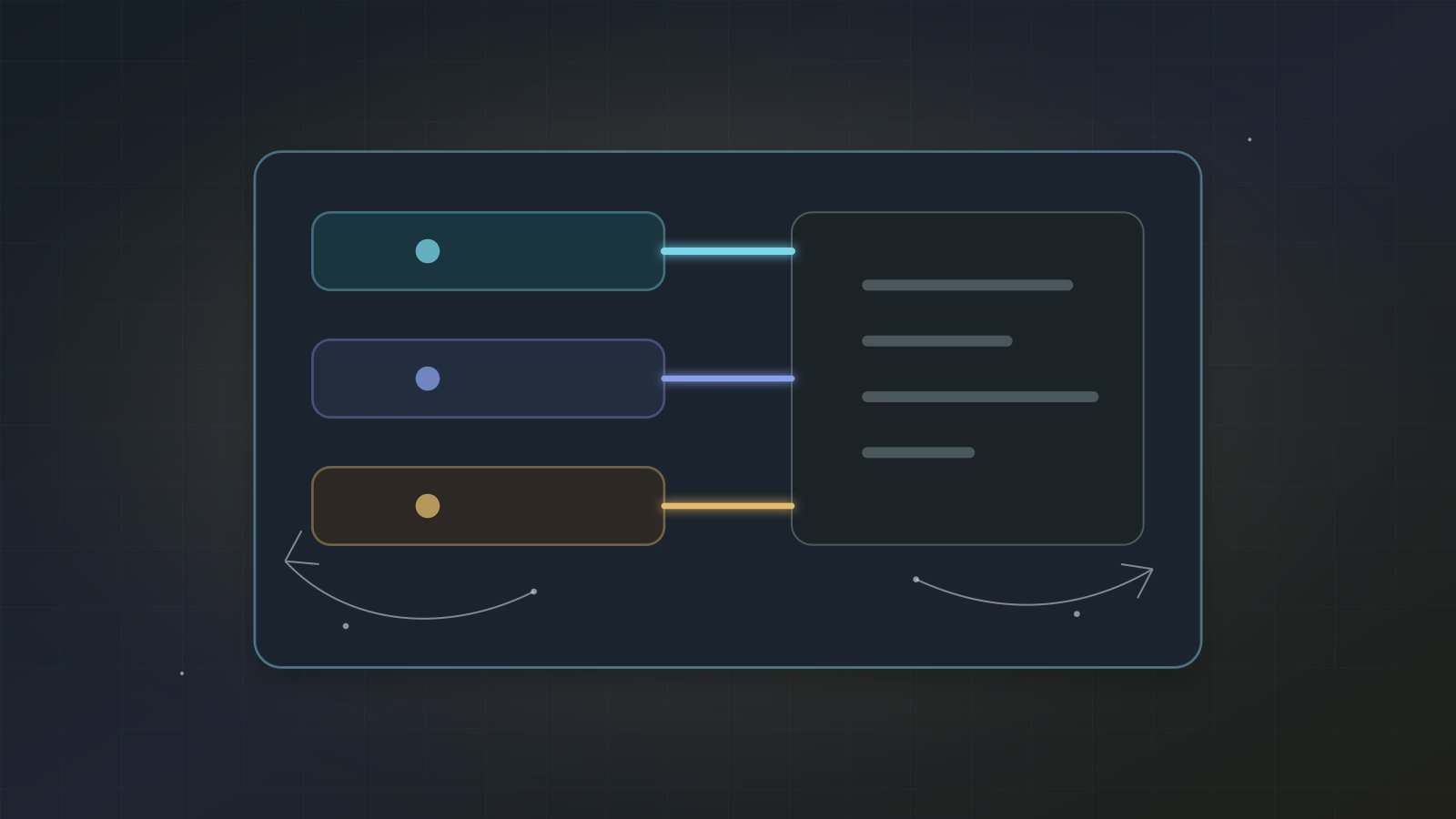
Replayable AI Workflows let a team inspect what an AI employee used, which Skills it called, what artifact it created, where Trust Mode stopped risky action, and how a failed run can be continued. Many office tasks are repetitive, manual, and error-prone every day or every week, yet the process still lives in memory and chat history. One successful Agent demo is not enough. A reliable Axon digital worker should leave evidence that can be reviewed, rerun, and handed off.
Anthropic's Building Effective Agents stresses the need for environmental feedback, checkpoints, and human input in more capable agentic systems. NIST's AI Risk Management Framework puts governance, measurement, and management across the AI lifecycle. In Axon's product language, the practical layer is Replayable AI Workflows: the model should not improvise a fresh process every time; each run should be inspectable.
The question for an AI employee is not whether it sounded competent. The question is whether the run left enough evidence to prove what happened.
Audit view: what a run should leave behind
If an AI employee only returns a chat answer, the team cannot see what it read, skipped, changed, or failed to produce. Replayable AI Workflows separate a run into evidence layers:
- Input evidence: Source Data, uploaded files, web sources, and user-provided fields.
- Execution evidence: which System Skills or User Skills were called and in what order.
- Artifact evidence: Markdown, PDF, Excel, Word, HTML, or an ops payload.
- Permission evidence: which actions ran automatically and which entered Trust Mode.
- Exception evidence: missing source, rejected artifact, permission block, or downstream failure.
This is the business value of a Scheduled Agent run journal. A run journal is not decoration for engineers. It is how the owner decides whether the work was actually completed.
A replay contract
Replayability does not mean the model must produce identical sentences. Office work can tolerate changes in wording, but the business path must stay stable. A team can review an Agent with a contract like this:
replayContract:
  inputClass: "weekly competitor update"
  expectedSkillChain:
    - "source intake"
    - "evidence summary"
    - "artifact export"
    - "owner review"
  stableSignals:
    - "same input fields required"
    - "same artifact types produced"
    - "same Trust Mode boundary applied"
  allowedVariation:
    - "wording"
    - "summary order"
    - "recommended follow-up"
The contract avoids two mistakes. It does not demand mechanical text repetition, and it does not let process drift hide behind "intelligence." Replayable AI Workflows are about stable business execution, not identical prose.
Run evidence table for business owners
A simple evidence table is more useful than a binary "Agent succeeded" label:
| Evidence item | Owner question | Failure signal |
|---|---|---|
| Source Data | What material did this run use? | Sources are unclear and the summary sounds generic |
| Skill chain | Did the steps match previous runs? | Similar tasks call unrelated capabilities |
| Artifact | Is there a reviewable deliverable? | Only a chat answer exists |
| Trust Mode | Was external impact confirmed? | Email, publishing, or overwrite happened silently |
| Handoff | Can someone continue after failure? | The run only says it failed |
For artifact review, read workspace artifact acceptance contracts. For launch checks, read Workflow Evals and Trust Mode.
Postmortems improve the next run
The value of Replayable AI Workflows is not blame. It is repair routing. If source material is missing, fix Source Data. If the artifact fails acceptance, revise the output contract. If the permission boundary is wrong, adjust Trust Mode. If the Skill chain drifts, return to Agent steps or a User Skill. Without run evidence, every problem collapses into a vague complaint that "AI is unstable."
A lightweight postmortem can ask four questions:
- Did this run use the same input fields as previous runs of the same class?
- Did the Skill chain change in a way the owner can explain?
- Can the owner accept or edit the artifact without rebuilding it?
- If the run failed, is there enough evidence for a human to continue?
Those questions matter more than asking whether the model felt smarter. Axon's AI employees should not be mysterious. They should be explainable, recoverable, and improvable.
Postmortem ownership
A postmortem should not only ask where the model failed. The business owner judges whether the artifact is usable, the Skill owner checks whether the steps are stable, and the operations owner reviews schedule and permission fit. Clear ownership keeps Replayable AI Workflows improving instead of reopening the same debate after every run.
Replayability Checks
Q1: Do Replayable AI Workflows require full determinism?
No. LLM summaries and wording may vary. The input class, Skill chain, artifact type, Trust Mode boundary, and recovery path should remain stable.
Q2: Does run evidence create more work for the user?
It should not. The workspace and run journal should collect the evidence automatically. The user should review the summary, artifact, risk stop, and exception state.
Q3: When is replayability mandatory?
Use it when the workflow is scheduled, affects external systems, creates business artifacts, or needs collaboration across multiple owners.
Make one workflow reviewable first
Start with one repeatable workflow before automating a wider schedule in Axon. Make its input, Skill chain, artifact, Trust Mode, and exception handoff visible. Teams that want to explore operational reliability can use workspace reliability review and run journals as the next reference, then expand Replayable AI Workflows only after the first path is reviewable.