Before an AI Employee Goes Live, It Needs Workflow Evals and Trust Mode
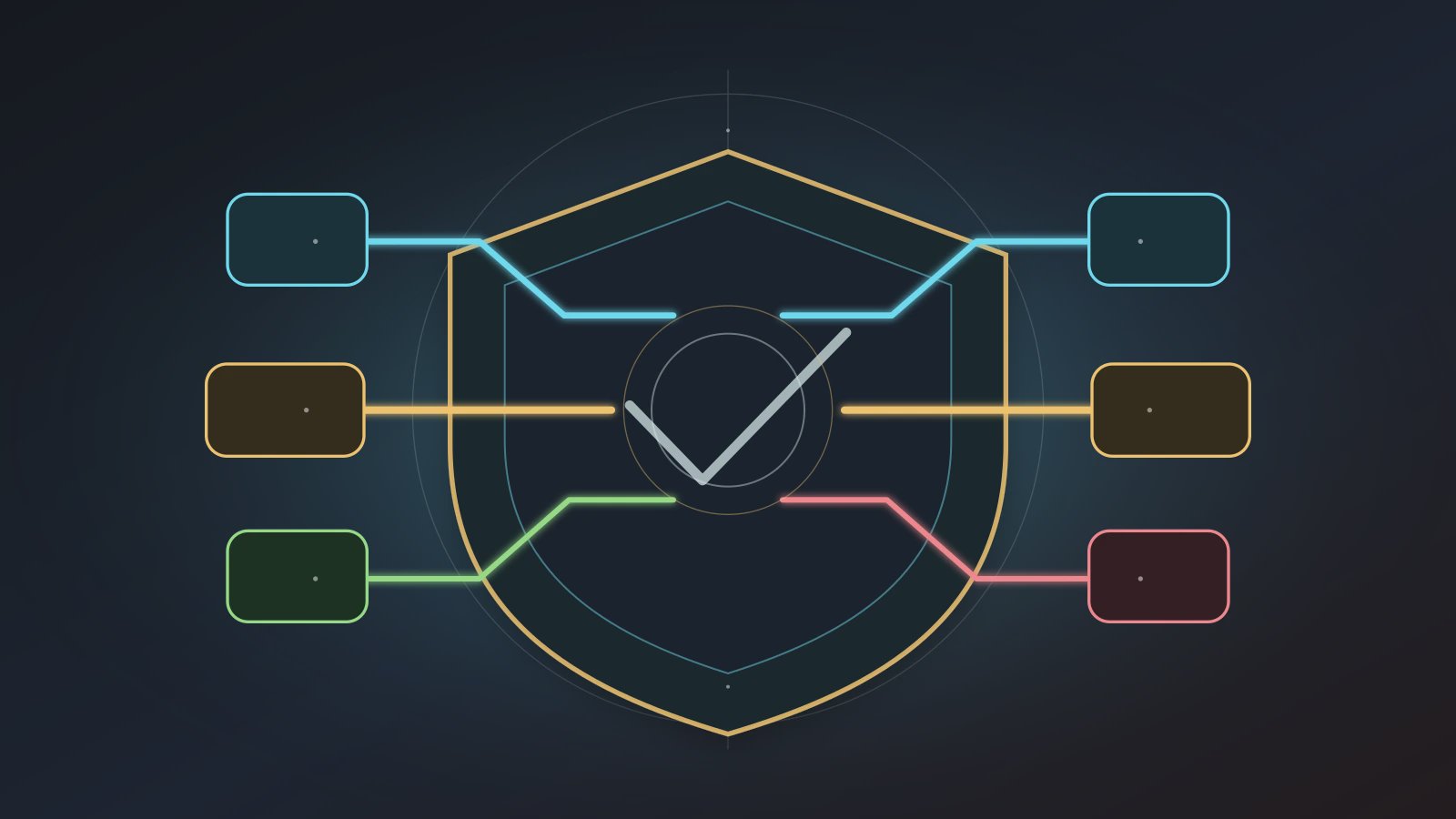
Workflow Evals are the launch checks an AI employee needs before scheduled execution: they verify whether a repetitive, manual, error-prone task can reliably read inputs, call Skills, create acceptable artifacts, trigger the right Trust Mode, and leave evidence for recovery when something fails. Many teams want AI to take over weekly work, daily summaries, and recurring operations. The pain point is that they mistake one successful demo for operational readiness. An Agent that works once is not yet a worker that can be trusted every week.
Anthropic's Building Effective Agents describes evaluator-optimizer workflows and emphasizes that agents need ground truth from their environment, checkpoints, and human feedback. NIST's AI Risk Management Framework frames risk management across the design, development, deployment, and use of AI systems. In Axon's product language, the conclusion is practical: run Workflow Evals first, then use Trust Mode to decide the level of autonomy.
A mature Agent is not one that succeeded once. It is one that can be evaluated, constrained, reviewed, and stopped at the right point.
A demo is not a launch decision
The dangerous shortcut in office automation is treating a smooth demo as production proof. Real environments are messier. Sources are missing. Websites change. Files arrive in inconsistent formats. Users revise goals. Email, publishing, deletion, and overwrite actions can affect external systems. Without these launch checks, the team judges reliability by impression and discovers the break only when the recurring task is already important.
Axon's Workflow Evals should cover four layers:
- Repeatability: similar inputs should trigger the same Skill chain.
- Artifact quality: the output should be a downloadable, reviewable, reusable artifact.
- Permission handling: send, delete, publish, overwrite, and similar actions should enter Trust Mode.
- Recovery: failed runs should leave logs, workspace files, and a human handoff point.
This is the same operating logic behind a Scheduled Agent run journal. A scheduled task should not be a black box. It should leave a trail that can be reviewed.
A maturity ladder for AI employees
| Stage | Allowed scope | Required proof |
|---|---|---|
| Draft | Manual run, low-risk material | Can create a first artifact |
| Reviewed | Manual run, real material | Artifact passes acceptance; failure is diagnosable |
| Confirmed | Partial automation with external actions confirmed | Trust Mode stops the right steps |
| Scheduled | Timed execution in a low-risk loop | Multiple stable runs with a run journal |
| Expanded | More workflows and owners | Exception queue, change record, and ownership exist |
The ladder is not meant to slow teams down. It prevents "it can run" from being mistaken for "we can rely on it."
What launch checks should measure
A concrete evaluation matrix is more useful than generic reliability language:
workflowEvals:
  repeatability:
    question: "same class of input triggers same Skill chain?"
    passSignal: "step sequence and artifact types remain stable"
  artifactQuality:
    question: "does the output satisfy the acceptance contract?"
    passSignal: "owner can use the file without rewriting it"
  riskBoundary:
    question: "does risky external impact stop at Confirm or Auth?"
    passSignal: "email, publish, delete, overwrite never happen silently"
  recovery:
    question: "can a human continue after failure?"
    passSignal: "workspace evidence and error class are visible"
The matrix changes the evaluation target from model behavior to workflow behavior. A model can be strong and the workflow can still be unready. If the artifact cannot be accepted, permissions are unclear, or failure cannot be recovered, the AI employee should not go live.
Teams can run the first pass in three steps:
- Pick one low-risk Agent with a single fixed deliverable.
- Run it multiple times and record the input, Skill chain, artifact, permission stop, and failure class.
- Let the owner place the workflow in Draft, Reviewed, Confirmed, or Scheduled based on acceptance evidence.
Trust Mode is launch language, not just a popup
Teams often treat human confirmation as a final popup. Axon should treat Trust Mode as a launch decision language:
- Auto: low-risk, rerunnable, no external impact.
- Confirm: external impact exists, but a human can approve the action.
- Auth: account access, authorization, or a higher responsibility boundary is involved.
If every step in a workflow is marked Auto, that usually means risk has not been identified, not that automation is mature. For email-specific boundaries, read Trust Mode email confirmation. For failure handling, read the Agent exception queue runbook.
When an eval fails, do not just ask the model to retry
Another benefit of this evaluation layer is routing failures to the right repair path. Missing source material should fix Source Data. A rejected artifact should revise the schema or template. A permission failure should adjust Trust Mode. Workflow drift should return to Agent steps or User Skills. Simply asking the model to "try again" hides the structural fault.
This is why Axon's AI workforce narrative should stay centered on Skills and Workflows. Clear steps give evaluation an object. Clear artifacts give acceptance a standard. Clear permission boundaries make automation governable. Without them, every failure becomes a vague complaint that "the model is unstable."
For a reliability-focused companion piece, continue with workspace Agent reliability review.
Launch Questions
Q1: How are Workflow Evals different from model evaluations?
Model evaluations usually judge response quality. Workflow Evals judge the execution chain: input, Skill calls, artifact, permissions, logs, exception recovery, and human handoff.
Q2: When is an Agent ready for scheduled execution?
It should demonstrate stable runs on similar inputs, produce artifacts accepted by the owner, route risky actions through Confirm or Auth, and preserve workspace evidence plus run records after failure.
Q3: Do Workflow Evals add too much overhead?
They add design cost upfront, but reduce recovery cost later. Automation without evaluation usually pays the price after launch, when failures are harder and more visible.
Put the launch decision into the workflow
Whether an AI employee can go live should not be decided by confidence. Start using Axon with one low-risk Agent and define launch checks for repeatability, artifact quality, Trust Mode, and recovery. If it passes, move toward scheduled execution. If it fails, return to the Skill, Source Data, or output contract. Learn more from Axon's run journal, Trust Mode, and workspace reliability articles before moving from demo to trusted workflow.