Monthly Close Exception Brief: Make Finance Exceptions Reviewable With Axon Agent
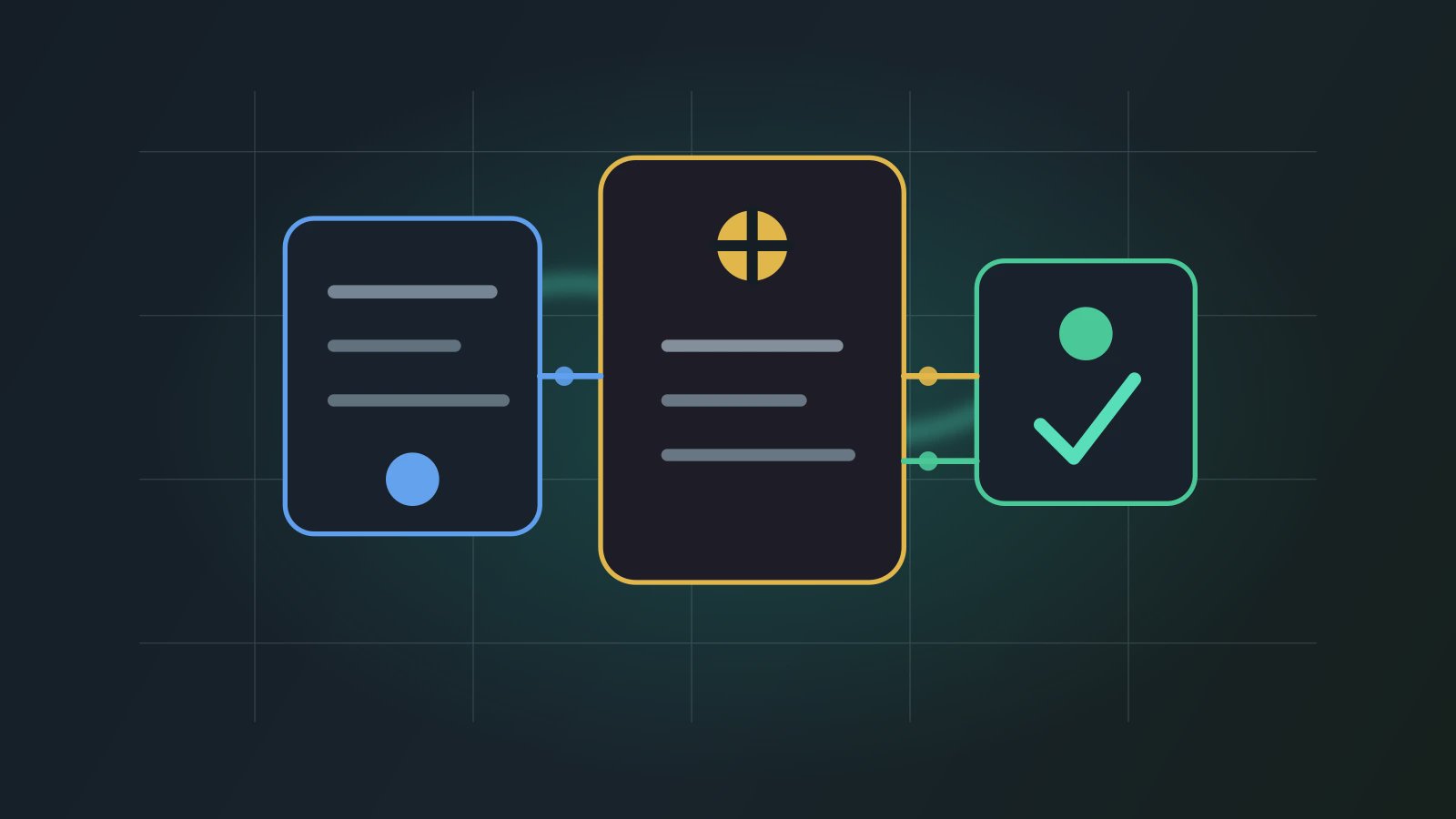
Monthly Close Exception Brief is a review object for month-end close. It is not a promise that AI will make every finance judgment automatically. It addresses a repetitive, manual, and painful problem: close differences appear across spreadsheets, invoices, payment records, and business notes; people paste screenshots into chat; someone updates a side spreadsheet; days later the team wastes time answering a basic question again: where did this exception come from, who reviewed it, and what is still open?
Axon's role is to turn that scattered work into a controlled Skill and Agent workflow. OpenAI Codex sandbox documentation shows why execution boundaries matter. Codex configuration documentation shows that behavior depends on explicit configuration. The OpenAI Agents SDK Tracing documentation reinforces the need for traceable runs. Axon translates those engineering principles into finance operations: exceptions need categories, evidence needs a workspace, and next actions need accountable owners.
The risk in monthly close is not only that a difference exists. The larger risk is that the difference is explained in fragments and nobody can prove whether it has been closed.
The Three Kinds of Close Confusion
Finance teams often mix discovery, explanation, ownership, and reporting in the same messy thread. Monthly Close Exception Brief separates the exception from the conversation around it.
| Confusion | What it looks like | What the brief fixes |
|---|---|---|
| Unclear source | The team cannot identify which file, version, sheet, or field produced the difference | source file, sheet, field, timestamp |
| Vague impact | The difference exists, but no one knows whether it affects the management report | materiality note, account, report section |
| Moving ownership | Several people commented, but nobody owns closure | owner, status, next action, due date |
Source-to-Decision Lineage explains how a decision should connect back to source material. Workspace Artifact Acceptance Contract helps teams decide which outputs can enter a final artifact. Monthly Close Exception Brief applies those ideas to finance close work: an exception is not a chat message; it is a reviewable work item.
Keep the Taxonomy Useful
Finance teams do not need a huge vocabulary before they can improve close review. The first version should help routing and ownership:
- timing: revenue, expense, receipt, or payment may belong to another period.
- mapping: account, department, project, or customer mapping may be wrong.
- missing_evidence: invoice, contract, payment proof, or business confirmation is absent.
- duplicate_or_reversal: duplicate entry, reversal, or adjustment lacks explanation.
- judgment_needed: the Agent can prepare evidence, but a finance owner must decide the accounting treatment.
The taxonomy should make work easier to assign. It should not become another reporting layer that people maintain by hand.
A JSON Brief Finance Can Review
Here is a minimal Monthly Close Exception Brief. Axon Agent can assemble it from Excel files, PDFs, Markdown notes, and workspace artifacts, then hand it to the finance owner for review.
{
  "monthly_close_exception_brief": {
    "period": "2026-06",
    "exception_id": "MC-202606-017",
    "category": "timing",
    "source_files": [
      "workspace://finance/ar-aging-2026-06.xlsx",
      "workspace://finance/payment-notes-2026-06.md"
    ],
    "affected_account": "accounts_receivable",
    "materiality_note": "may affect June revenue cut-off review",
    "owner": "finance_controller",
    "status": "needs_business_confirmation",
    "evidence_links": ["artifact://reconciliation-row-42"],
    "next_action": "confirm whether payment belongs to June service period"
  }
}
This format preserves what an Agent can do and what it should not do. It can gather facts, organize exceptions, and prepare questions. It should not silently decide a sensitive accounting treatment without Trust Mode and the right owner.
How It Runs in Axon
A controlled monthly close Agent can work like this:
- File and Excel Skills read close workbooks, receipt records, payment notes, and supporting files.
- A User Skill applies the team's exception categories and materiality language.
- The Agent writes each Monthly Close Exception Brief into the workspace.
- Trust Mode decides which items can be organized automatically and which need controller confirmation.
- The final report cites only accepted exception conclusions; unresolved items remain visible as follow-up.
Scheduled Agent Run Journal can record each close review run. Codex Permission Receipt can record sensitive confirmations. Codex may be used as an external execution surface for workspace analysis, but it still enters through Axon's Skills, workspace boundaries, and Trust Mode.
What the Finance Owner Should Check
Before an exception brief influences a management report, the owner should ask:
- Does the exception point to specific files and fields?
- Does the category help routing, or is it just a generic label?
- Does the materiality note say which report section may be affected?
- Does the owner have authority to close or escalate the item?
- Are unresolved items clearly excluded from accepted conclusions?
That review matters more than whether the prose sounds polished. A finance workflow is only useful when evidence, state, and responsibility are clear.
The Point: Start With Exception Governance
Many AI finance discussions jump straight to "automated monthly reports." That skips the layer where trust is actually built. Without exception governance, the report may turn uncertainty into smooth language. With Monthly Close Exception Brief, the report knows which conclusions are accepted, which differences still need confirmation, and which questions must be escalated.
Axon is a strong fit for this kind of finance workflow because it does not treat AI as a single chat box. System Skills read files. User Skills encode the team's review rules. Agents run the sequence. Trust Mode protects judgment boundaries. Schedule makes the workflow repeatable. Codex can be a powerful external executor inside that system, but it is not the governance layer by itself.
FAQ
Q1: Does Monthly Close Exception Brief replace the finance controller?
No. It organizes source files, differences, evidence, status, and questions. Judgment remains with the responsible finance owner.
Q2: When is this useful?
It is useful when close work involves recurring spreadsheets, many supporting files, repeated questions, and unclear ownership of exceptions.
Q3: Where does Codex fit?
Codex can assist as an external execution surface for workspace tasks, but Axon's Skill definitions, workspace boundaries, and Trust Mode keep the workflow governed.
Q4: How is the brief related to the final report?
The brief is the evidence layer before the report. The final report should cite only accepted, explained, or explicitly unresolved exception items.
Make Close Exceptions Reviewable
If your month-end close still depends on screenshots, side notes, and scattered chat explanations, start with Monthly Close Exception Brief. Use Axon to fix source files, exception categories, impact notes, owners, and next actions in one reviewable object. Get started with Axon business-finance workflows and make monthly close easier to repeat without losing judgment boundaries.