Competitor Research Snapshot: Use Axon Agent to Turn Ecommerce Signals Into Reviewable Decisions
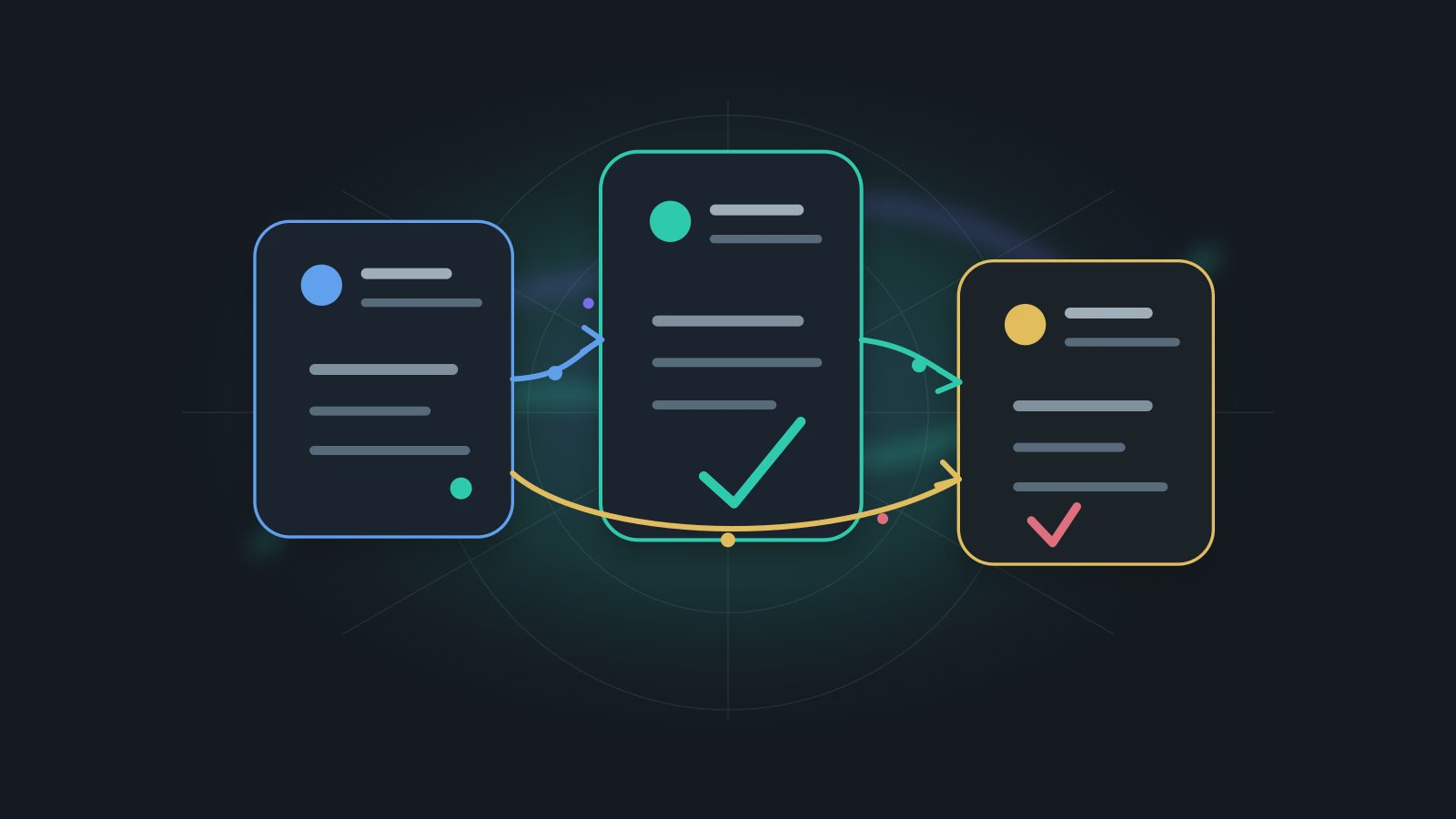
An AI competitor research workflow should not become a polite way to copy competitor copy. The real pain point is repetitive manual research every week: ecommerce teams jump between competitor pages, screenshots, reviews, ads, and notes, then struggle to explain which signal deserves action. They need something more useful: a reviewable snapshot of where the competitor signal came from, what changed, whether the comparison is fair, what price context matters, which review patterns are real, and which conclusions are still weak. Without that snapshot, a team ends up with links, screenshots, spreadsheet notes, and chat summaries that feel informative but cannot support a decision.
Competitor Research Snapshot is the Axon workflow object for that middle layer. It does not encourage copying competitor phrasing. It does not automate price changes. It does not treat public page observation as the whole market. OpenAI Codex README shows how an external execution surface can work inside project context. OpenAI Agents SDK Tracing and Results documentation explain why process and output should stay inspectable. Axon brings that discipline into ecommerce research: observations can be gathered and organized by an Agent, but conclusions need sources, confidence, and an owner.
Competitor Research Is Not a Screenshot Folder
Competitor material easily becomes a pile of things someone once saw. One person saves a homepage screenshot. Another copies a product title. A third records a price. Someone else says reviews keep mentioning the same defect. Two weeks later, the team cannot tell when the source was captured, whether the competitor was running a promotion, whether the SKU was comparable, or whether the review sample was meaningful.
An AI competitor research workflow should turn those observations into fields:
| Object | What to record | Failure mode |
|---|---|---|
| source_url | Page, screenshot, capture time, channel | Screenshot with no original page |
| observed_claim | Public selling point or content move | Treating marketing language as product fact |
| feature_delta | How the competitor differs from your product | Ignoring variant, packaging, or specification differences |
| price_context | Price, promotion, quantity, bundle, time window | Comparing unlike SKUs |
| review_signal | Repeated review or Q&A issue | Turning a small sample into a trend |
| confidence_label | high / medium / low | No signal strength attached to conclusions |
| owner_decision | Who decides whether to act | Research becomes ownerless work |
Workspace-Scoped Workflows helps control source boundaries. Source-to-Decision Lineage helps connect observations to decisions. Competitor Research Snapshot handles the operating layer between them: each observation should survive a reasonable follow-up question.
Competitor research is useful only when the team can still explain why a signal was trusted after the excitement has passed.
A Markdown Snapshot
# Competitor Research Snapshot

- target_segment: adjustable laptop stand
- research_window: 2026-06-12 to 2026-06-18
- owner: ecommerce_research_owner
- decision_needed: whether to update listing comparison language

| Competitor | Source | Observed signal | Delta | Confidence | Next review |
|---|---|---|---|---|---|
| Brand A | product page + review sample | emphasizes foldable travel use | our product is heavier but more stable | medium | verify weight comparison |
| Brand B | ad landing page | shows desk setup bundle | bundle price not same SKU | low | avoid direct price claim |
| Brand C | reviews | repeated complaint about hinge looseness | our hinge test data available | high | prepare evidence-backed bullet |

Boundary:
- Do not copy competitor phrasing.
- Do not change price automatically.
- Do not publish comparison claims without source and reviewer approval.
This snapshot can feed a weekly review, listing brief, product roadmap note, or ad creative discussion. Axon Browser, Research, Markdown, and Excel System Skills can collect public material and structure it. A User Skill can encode the company's competitor fields. An Agent can run the snapshot process. Trust Mode can control whether a conclusion may move into public pages or external materials.
The point is not to reach decisions faster at any cost. The point is to prevent weak observations from becoming strong actions.
Review Sequence
- Define the competitor set first: same category, comparable price band, similar buyer, and relevant channel.
- Collect public product pages, review samples, ad landing pages, and allowed screenshots into the workspace.
- Separate content expression, product difference, price context, review issue, and asset direction.
- Attach a confidence label to each conclusion so weak signals cannot silently become public claims.
- Ask the owner to decide whether the signal belongs in a listing, ad brief, product request, or watchlist.
Codex Public Proof Pack helps teams decide which material can be cited publicly. Codex Handoff Brief helps pass research to the next executor. Codex can help organize web and file context as a governed external executor, but Axon should preserve the research boundary and decision chain.
The Strong Opinion: Competitor Research Should Move Half a Beat Slower
Ecommerce teams are often pulled around by competitor moves. A competitor changes a title, and the team wants to change its title. A competitor discounts, and price pressure starts. A competitor emphasizes a new use case, and the ad team wants to react immediately. The problem is that a competitor action is not the same as a correct answer. It may be a short test. It may work only in one channel. It may come from inventory pressure or a temporary campaign.
Competitor Research Snapshot creates a productive pause. It asks three questions before action: Is the source reliable? Is the comparison fair? Does the observation fit our product facts, customer feedback, and margin context? That pause is what keeps an AI competitor research workflow from amplifying noise into costly operating moves.
FAQ
Q1: Does Competitor Research Snapshot monitor every competitor automatically?
No. For a first version, it is better to specify the competitor set and research window manually. Schedule can later help run periodic reviews inside defined boundaries.
Q2: Can it write public comparison copy?
It can prepare an internal comparison brief. Public claims need source evidence, claim boundaries, and owner approval. It should not copy competitor language or make unsupported comparisons.
Q3: Can it change prices?
No. Price depends on inventory, margin, channel strategy, and business judgment. The snapshot provides context; it should not trigger automatic price changes.
Q4: How should confidence labels be assigned?
Look at source count, source quality, SKU comparability, time window, and support from your own data. Low-confidence observations should enter a watchlist, not a published claim.
Make Competitor Signals Reviewable
If competitor research still lives in screenshots, links, and chat summaries, start with Competitor Research Snapshot. Use Axon to build an AI competitor research workflow where sources, signals, confidence labels, and owner decisions remain connected before the team acts.