Listing Content Brief: Use Axon Agent to Turn Product Facts Into Reviewable Ecommerce Listings
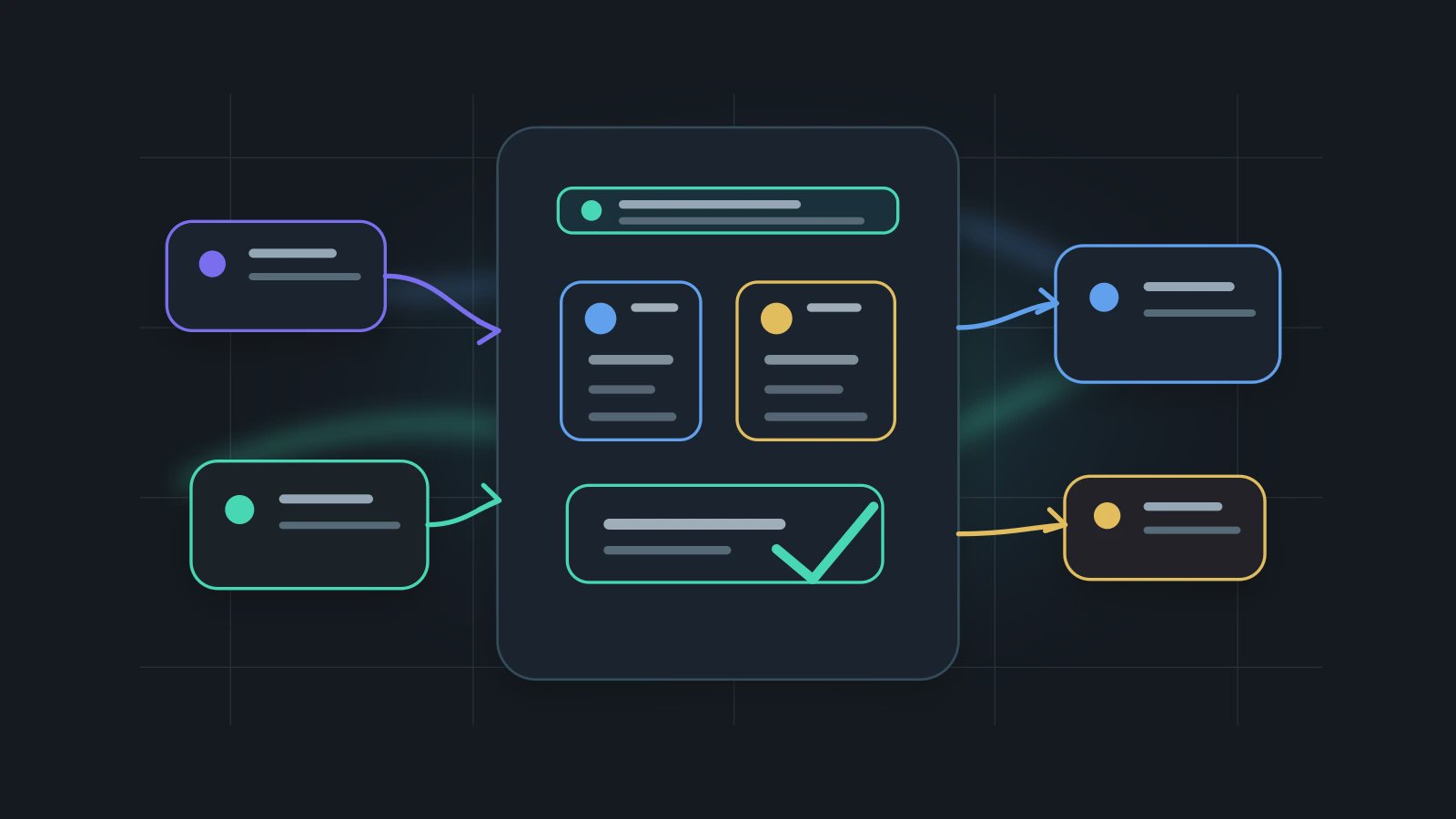
AI ecommerce listing optimization is often mistaken for a prompt that writes a more persuasive product title. That is the visible part. The real pain point is time-consuming, manual, and error-prone input work: product facts live across supplier sheets, old listings, image folders, packaging notes, customer support messages, and informal chats. A marketer has to turn that material into keywords, bullets, comparison points, image instructions, and claims that will survive review every day. When the inputs are scattered, the output may sound complete while still containing unverified materials, exaggerated benefits, or compatibility claims that no one accepted.
Listing Content Brief is the Axon workflow object for that messy middle. It does not publish products by itself, and it does not promise ranking or conversion gains. It organizes product facts, keyword direction, evidence source, forbidden language, asset notes, and reviewer responsibility before a listing draft is produced. Google Search Central's Product structured data is a reminder that product pages depend on clear attributes. OpenAI Codex configuration documentation shows why execution behavior needs explicit setup. OpenAI Agents SDK Tracing documentation explains why agent runs should remain inspectable. Axon translates those principles into ecommerce operations: make the listing brief reviewable before the listing becomes public.
Start With the Brief, Not the Copy
Many ecommerce teams move too quickly from product notes to generated listing copy. They ask for a title, five bullets, a product description, a comparison table, and ad lines in one pass. The drafts may look polished, but the reviewer cannot tell which line came from a supplier document, which line came from an old listing, and which line was inferred by the model.
AI ecommerce listing optimization should first create a brief with these fields:
| Field | What it protects | Reviewer question |
|---|---|---|
| product_fact | Confirmed material, size, use, compatibility, package content | Is there a source file or accepted owner note? |
| buyer_use_case | The real purchase situation | Are we stretching the use case beyond evidence? |
| keyword_lane | Primary and secondary search language | Are keywords becoming unverified claims? |
| claim_boundary | What the draft must not say | Are certification, safety, medical, eco, or durability claims unsupported? |
| asset_note | What images, video, and enhanced content should show | Does the asset direction match real product facts? |
| reviewer | Who accepts the brief before publication | Is the owner clear enough to stop risky edits? |
Source Data Fields helps teams reuse stable fields. Codex Content Variant Lane explains how an accepted source asset can become multiple channel variants. Listing Content Brief sits one step earlier: it asks whether the source asset is ready to become public product content.
A better listing is not just more persuasive. It is easier to trace, easier to review, and harder to accidentally overclaim.
JSON Listing Brief
{
  "listing_content_brief": {
    "product_fact": {
      "category": "desk cable organizer",
      "material": "silicone",
      "dimensions": "120mm x 35mm x 18mm",
      "source_files": ["supplier-spec-sheet.pdf", "product-photo-set.zip"]
    },
    "buyer_use_case": [
      "home office desk cleanup",
      "charging cable routing",
      "small accessory storage"
    ],
    "keyword_lane": {
      "primary": "desk cable organizer",
      "secondary": ["cable holder", "office cable management"],
      "avoid": ["medical grade", "eco certified", "unbreakable"]
    },
    "claim_boundary": "Do not claim certification, lifetime durability, or universal device compatibility unless reviewer confirms evidence.",
    "asset_note": "Show real desk use, cable pass-through, scale reference, and material flexibility.",
    "acceptance_rule": "listing draft requires product owner and ecommerce owner approval before publishing"
  }
}
The brief is useful because it changes the task from "write listing copy" to "organize evidence, limit claims, and prepare a draft." Axon File, Markdown, Image, and Excel System Skills can read product material and organize fields. A User Skill can encode the company's preferred listing brief. An Agent can run the extraction, draft preparation, and checklist steps. Trust Mode can protect publication, outbound messages, or sensitive changes.
How the Axon Agent Runs
- Collect supplier specifications, product photos, old listings, support questions, and operator notes into one workspace.
- Ask the Agent to extract confirmed product facts and mark unsupported statements as
needs_review. - Build the keyword lane for the target channel without turning keywords into unsupported promises.
- Generate the Listing Content Brief with claim boundary, asset note, and reviewer.
- After the owner accepts the brief, generate title options, bullets, description sections, and asset instructions.
- Send the draft through human review, then use Trust Mode for any public page update or sensitive change.
Codex Claim Boundary Ledger helps growth teams control public language. Workspace Artifact Acceptance Contract helps decide which output may enter a final artifact. Codex can assist as a governed external executor for source organization or draft variants, but product facts, claim limits, and publishing decisions should remain inside Axon's workflow and owner review.
The Strong Opinion: Listing Work Starts With Input Governance
Teams often blame poor AI listing output on the model "not understanding the product." Sometimes that is true. More often, the input has never been governed. The product has two size versions. The image set contains old packaging. A supplier mentions an unconfirmed certification. Support says a certain device is not compatible. None of those facts are difficult, but they become risky when they are scattered across files and messages.
AI ecommerce listing optimization should begin by making inputs reviewable. Axon's advantage is not that it writes a prettier paragraph. It gives the listing work a structure: fields, sources, forbidden language, reviewer, and run evidence. The ecommerce operator can use AI for drafting without letting unaccepted facts move straight to a public product page.
FAQ
Q1: Does Listing Content Brief publish products automatically?
No. It prepares product facts and listing inputs. Publication, price, inventory, and commitment language should remain under owner review and authorization.
Q2: Does this work for Amazon, Shopify, and independent stores?
Yes, as a pre-publication content workflow. The channel fields may differ, but product facts, claim boundaries, keyword direction, and asset notes should be organized before drafting.
Q3: Can it generate image prompts or creative assets?
It can generate asset briefs and candidate prompts. The final asset still needs to match real product facts and pass reviewer approval.
Q4: Why record forbidden language?
Ecommerce copy often becomes riskier when it is compressed for titles, bullets, or ads. A forbidden-language field keeps the Agent and reviewer from adding claims just because they sound stronger.
Make Product Listings Trustworthy First
If product content still depends on scattered sheets, chats, and one-off prompts, start with Listing Content Brief. Use Axon to build a reusable AI ecommerce listing optimization workflow where facts, keywords, asset notes, and review boundaries are stable before the content reaches a public page.