Review FAQ Response Board: Use Axon Agent to Turn Customer Voice Into Reusable Answers
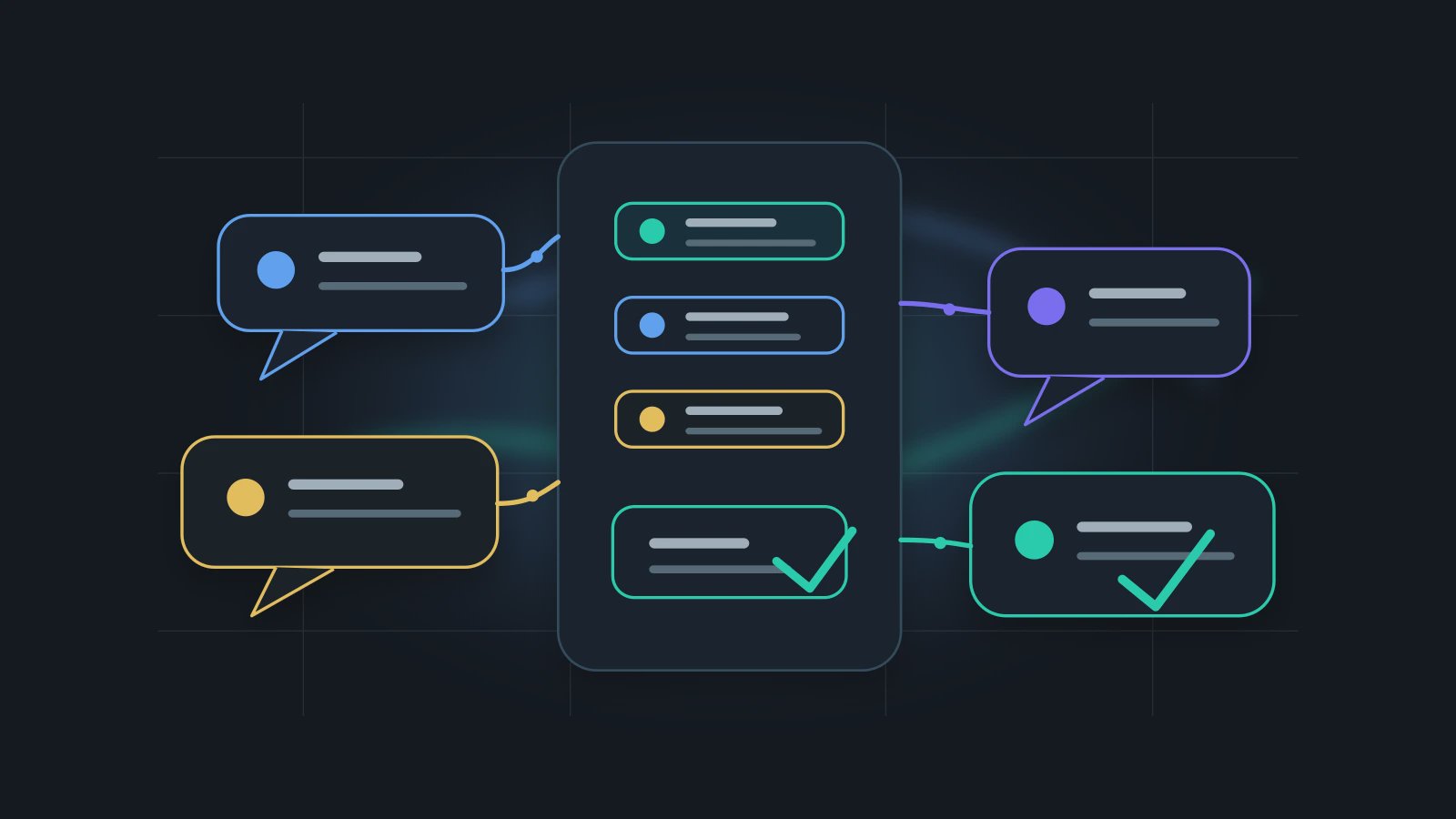
An AI review FAQ workflow should not manufacture positive reviews, and it should not let a system silently respond to customers on behalf of the brand. The real pain point is repetitive manual support work every day: reviews, support tickets, return reasons, buyer questions, and product notes do not close the loop. Customers keep asking the same size question. Support writes a fresh reply each time. Reviews reveal a repeated misunderstanding, but the listing never changes. A product owner has already confirmed an answer, but the operator does not know which wording can be used publicly.
Review FAQ Response Board is Axon's customer-voice workspace for ecommerce growth and support teams. It brings review theme, source evidence, product fact, response boundary, owner, FAQ candidate, and publish status into one object. OpenAI Agents SDK Tracing and Results documentation show why agent runs and outputs should remain inspectable. OpenAI Codex sandbox documentation explains why execution boundaries need design. Axon's boundary here is clear: organize customer voice and candidate answers, but require review before public replies or page updates.
Reviews and FAQ Should Not Be Separate Islands
Many teams treat reviews as support, FAQ as content, and customer tickets as internal operations. In practice, they often describe the same blocker: a buyer does not understand sizing, packaging is unclear, compatibility is misunderstood, installation steps are confusing, or a material word creates concern. Manually sorting these signals is slow, and teams often overreact to the newest message rather than the repeated pattern.
An AI review FAQ workflow should organize customer voice into a status board:
| Column | Meaning | Review question |
|---|---|---|
| review_theme | Repeated customer issue or question | Is it truly repeated, or just one sample? |
| source_evidence | Review, ticket, Q&A, screenshot, or note | Can the source be traced? |
| product_fact | Product-owner-confirmed answer | Is it consistent with the listing? |
| response_boundary | What can be said publicly | Does it touch refunds, promises, or sensitive handling? |
| faq_candidate | Question and answer ready for review | Is the wording concise and restrained? |
| owner | Who accepts the answer | Support, ecommerce, product, or leadership |
| publish_status | draft / approved / blocked / archived | Can the answer be reused publicly? |
Source Data Fields helps standardize review and ticket fields. Trust Mode Email Confirmation explains why outbound communication needs confirmation. Review FAQ Response Board connects those capabilities so customer support, FAQ pages, listing updates, and ad assets stop drifting apart.
Customer voice becomes valuable when it leads to a product answer the team can actually confirm.
YAML FAQ Board
review_faq_response_board:
  product: "desk cable organizer"
  review_window: "2026-06-01 to 2026-06-18"
  owner: "customer_voice_owner"
  items:
    - review_theme: "buyer unsure whether thick charging cables fit"
      source_evidence:
        - "support-ticket-2184"
        - "marketplace-qa-screenshot-20260612.png"
      product_fact: "slot width supports standard USB-C and Lightning cables; oversized braided cables need manual check"
      response_boundary: "do not promise universal compatibility"
      faq_candidate:
        question: "Will it fit thick braided cables?"
        answer: "It fits many standard charging cables. For oversized braided cables, please check the slot width in the product image before ordering."
      publish_status: "review_required"
The board does not try to turn every customer issue into a perfect marketing answer. It preserves source and boundary first. Axon Email, File, Markdown, Browser, and Excel System Skills can collect reviews, tickets, and questions. A User Skill can encode support tone and forbidden promises. An Agent can cluster themes, draft FAQ candidates, and prepare response notes. Trust Mode can control public replies, email responses, and page edits.
From Customer Voice to Content Updates
Review FAQ Response Board can run in four stages:
- Collect reviews, support tickets, buyer questions, return reasons, and product owner notes into one workspace.
- Cluster repeated issues into review_theme while preserving source_evidence.
- Ask the product owner to confirm product_fact and the support owner to confirm response_boundary.
- Move approved FAQ items into the page, support template, or listing update; send blocked items into a needs-evidence queue.
Scheduled Agent Run Journal can record periodic customer-voice runs. Workspace Artifact Acceptance Contract helps decide which FAQ candidate can enter a final page. Codex can assist as a governed external executor for workspace organization, but it should not silently publish replies and should never generate fake reviews.
The Strong Opinion: Customer Voice Should Not Be Marketing Too Early
Reviews and questions are valuable growth assets, but they are not automatically ad material. Complaints, confusion, hesitation, and repeated questions should first be treated as product and content feedback. If a team skips evidence and response boundaries, FAQ turns into soft advertising, support replies become overpromises, and listing updates hide the real issue instead of clarifying it.
The value of an AI review FAQ workflow is that it keeps customer voice reviewable. The team can see which issue repeats, which answer has product evidence, which response cannot be public, and which FAQ is ready for reuse. Support, ecommerce, and product can then work from the same board instead of rewriting answers in separate systems.
FAQ
Q1: Does Review FAQ Response Board generate positive reviews?
No. It organizes existing reviews, tickets, and questions. It should not create reviews, encourage fake feedback, or present internal drafts as customer voice.
Q2: Can it automatically reply to customers?
That is not the recommended boundary. Public replies, refund promises, support handling, and page edits should go through Trust Mode or owner review.
Q3: How is it different from a normal FAQ document?
A normal FAQ often stores only question and answer. The response board also keeps source evidence, product facts, response boundaries, owner, and publish status.
Q4: Does it work for multilingual stores?
Yes, but the source-language answer and product fact should be confirmed first. Translation can happen later; it should not replace fact review.
Turn Customer Questions Into Reusable Knowledge
If reviews, buyer questions, and support tickets still live in separate systems, start with Review FAQ Response Board. Use Axon to build an AI review FAQ workflow where customer voice, product facts, response boundaries, and publish status stay connected in one reviewable workspace.