Export Quote Margin Risk Review: Review Quote Risk Before Sending Buyers a Price
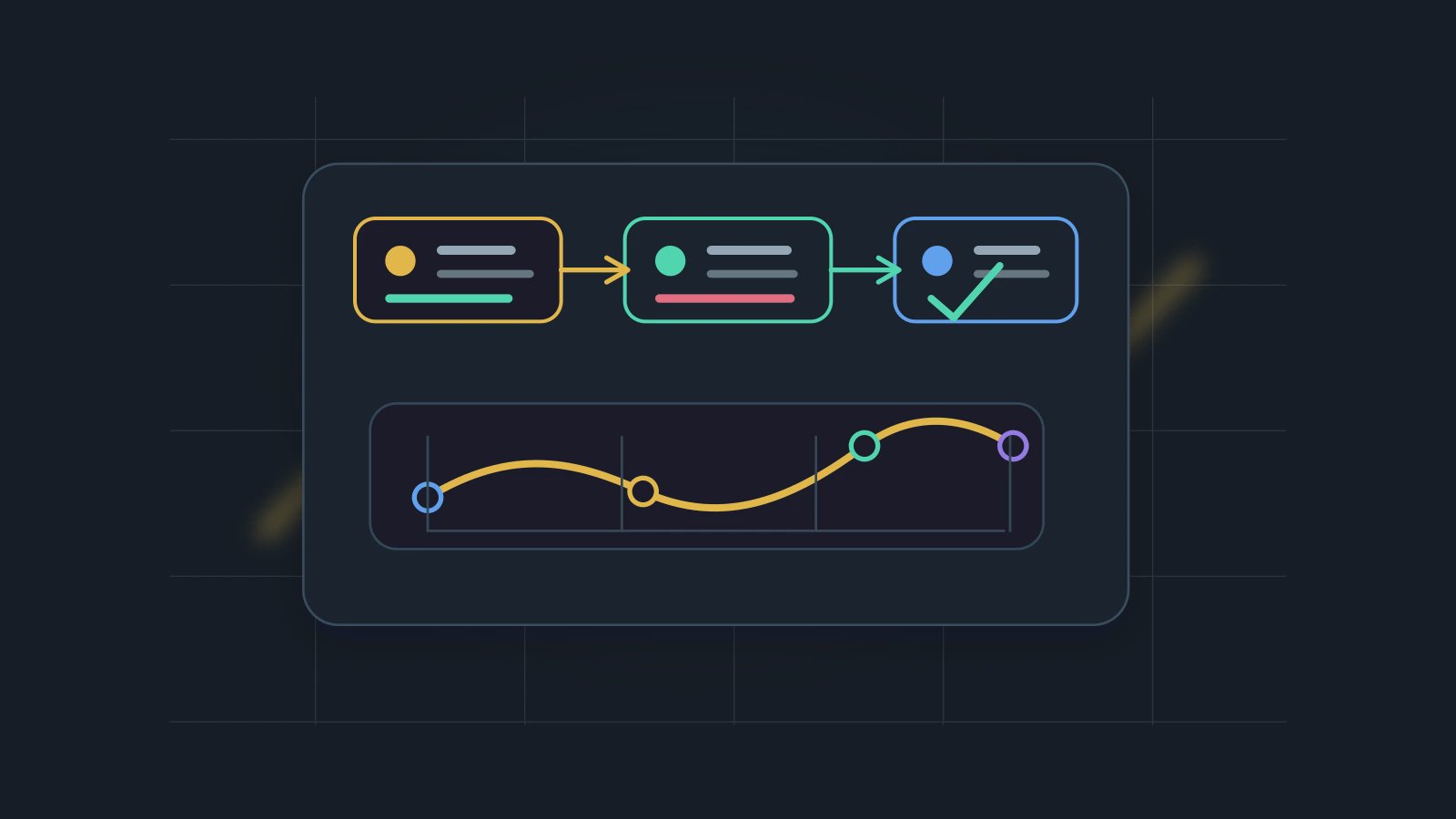
Export Quote Margin Risk Review is a commercial review workflow before an export quote is sent to a buyer. It does not replace finance, sales, logistics, or management approval, and it should not decide which trade term fits a specific country, contract, or shipment. It addresses a repetitive, manual, inefficient, and error-prone problem: SKU cost, exchange-rate assumptions, packaging cost, freight estimate, quote validity, sample policy, and Incoterms notes live in different spreadsheets, while the sales team rushes to reply and leaves the risk for later.
ICC Incoterms rules show why trade terms affect cost and responsibility boundaries. WTO trade finance materials highlight the role of finance in international trade. OpenAI Codex configuration documentation explains why execution behavior should be explicit. Axon's role is not to set price. It is to put quote evidence, assumptions, and approval boundaries in one reviewable place.
Quote Risk Is Wider Than Margin
Export Quote Margin Risk Review treats a quote as a bundle of assumptions, not just as a final unit price:
| Risk lane | What to review | Owner |
|---|---|---|
| cost_basis | SKU cost, packaging, sample, tooling, bank charges | product / finance owner |
| freight_assumption | Ocean, air, courier, or local delivery assumption | logistics owner |
| incoterms_note | Boundary wording before the quote leaves the team | sales owner |
| validity_window | Quote validity, exchange-rate movement, raw-material movement | sales / finance owner |
| margin_range | Whether expected margin falls below internal threshold | manager |
| exception_reason | Why a low-margin or high-risk quote can still be sent | approver |
Cash-Flow Brief Watchlist helps teams see payment timing and pressure. Management Report Variance Room shows why explanation matters. Export quote review follows the same idea: price is not a standalone number. It is a set of assumptions, boundaries, and owners.
The riskiest quote is often not the one with the lowest margin. It is the quote where freight, validity, payment timing, and responsibility boundary were never reviewed together.
TOML Quote Review Policy
[export_quote_margin_risk_review]
quote_scope = "active_rfq_quotes"
currency = "USD"
validity_days_default = 7
required_fields = ["sku_cost", "freight_assumption", "incoterms_note", "validity_window", "margin_range", "owner"]

[review_rules]
missing_freight_assumption = "route_to_logistics_owner"
margin_below_floor = "require_manager_confirmation"
validity_over_14_days = "require_finance_note"
incoterms_note_missing = "pause_external_reply"
large_sample_discount = "create_exception_reason"
This policy does not approve quotes. It tells Axon Agent which quote can become a draft, which one needs owner review, and which one should pause before external sending. Sales still owns buyer communication. Finance still owns cost and risk review. Logistics still owns freight assumptions. Management still owns exceptions.
Step-by-Step Quote Review Workflow
Use Export Quote Margin Risk Review before sending a buyer-facing price:
- Read the RFQ packet, product cost sheet, historical quote, freight assumption, and buyer note.
- Split SKU cost, packaging, freight, payment term, validity window, and target margin into separate fields.
- Mark each quote as missing, stale, below floor, needs owner review, or ready to draft.
- Generate low-risk reply drafts, while low-margin, long-validity, or missing-freight quotes move to Confirm.
- Create an exception reason when a quote still needs to be sent despite risk.
- Write the final quote and review record back to the workspace so shipment documents and payment collection can reuse the context.
Trust Mode Email Confirmation is relevant when a draft becomes an outbound message. Codex Request Escalation Rule helps blocked quotes find the right owner. Codex can assist as a governed external executor for source organization, but it should not turn a quote draft into an unreviewed commercial commitment.
The Point: Quote Automation Should Make Assumptions Visible
Many teams ask AI to produce a buyer quote quickly. The stronger operating model is to make the quote explainable first: why the price works, where the cost came from, how freight was assumed, what trade-term wording says, why the validity window is acceptable, and who approved an exception. When those elements are visible, speed does not have to create hidden risk.
Axon is useful here because it can turn quote review into a Skill-chain workflow. System Skills read spreadsheets, email, and Markdown notes. User Skills define the company's quote review fields. Agents generate risk cards and drafts in order. Trust Mode controls external sending. Schedule can check open quotes and expiring quotes every workday. Export Quote Margin Risk Review is not a pricing engine. It is an operating layer for evidence, assumptions, and approval boundaries.
FAQ
Q1: Does Export Quote Margin Risk Review decide price automatically?
No. It organizes cost, assumptions, and risk state. Price remains with sales, finance, logistics, or management according to company rules.
Q2: Can it handle Incoterms notes?
It can include Incoterms notes as review fields. Applicability, contract risk, and local rules still need responsible team review.
Q3: Why track quote validity?
Validity affects exchange rate, raw material cost, freight, and buyer expectation. A quote without a validity window can create avoidable disputes later.
Q4: What happens with low-margin quotes?
The Agent should not silently release them. Mark the quote as an exception with reason, owner, approver, and expiration.
Review the Quote Before the Buyer Sees It
If export quotes still depend on manual spreadsheets and chat confirmation, start with Export Quote Margin Risk Review. Use Axon to review cost, freight, validity, margin, and approval boundaries. Get started with Axon global trade Agents and make buyer quotes faster without hiding risk.