Contract Clause Review Brief: Make Contract Review Repeatable With Axon Agent
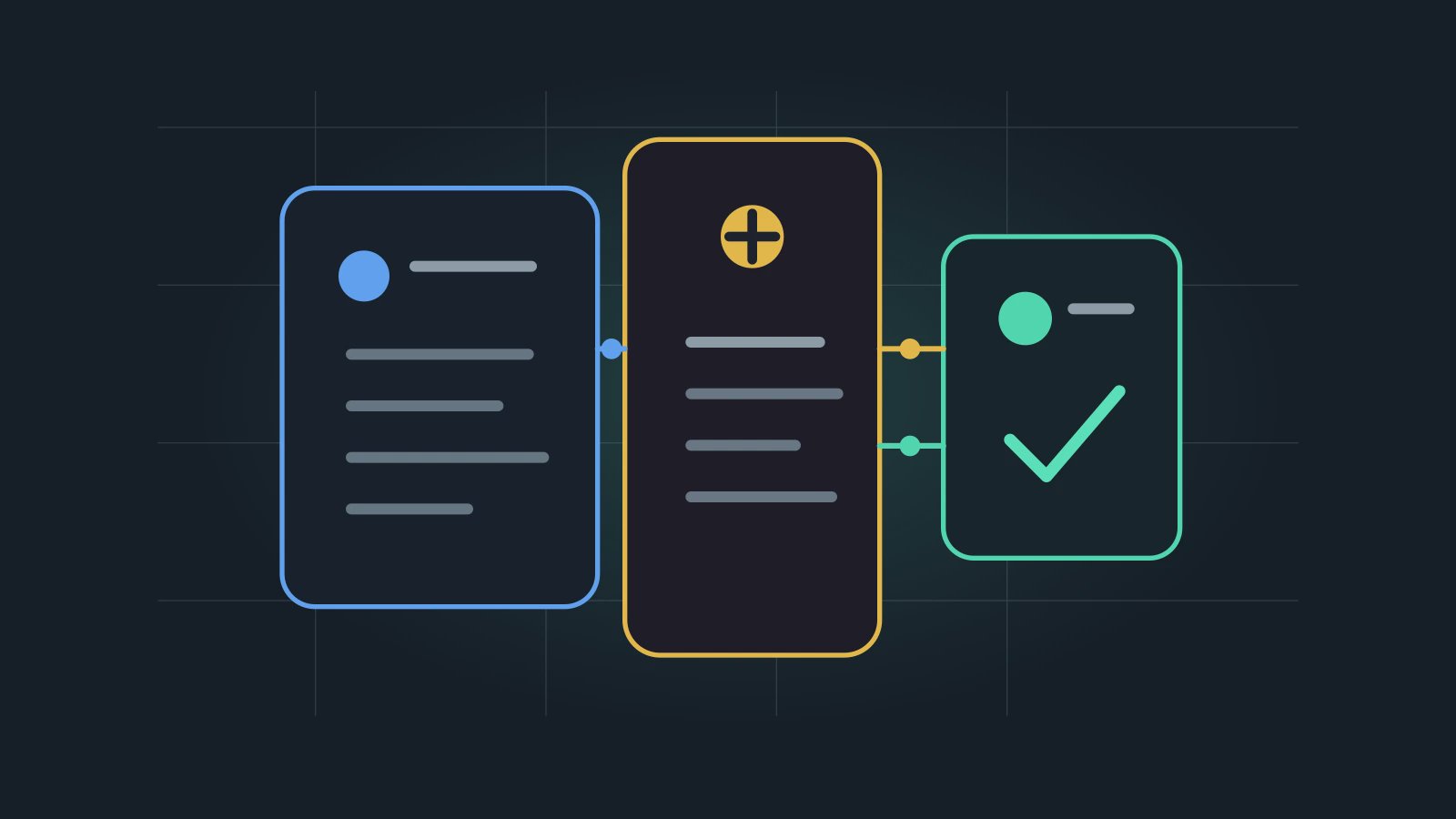
Contract Clause Review Brief is a workflow brief for contract clause review. It does not treat AI as counsel, and counsel review remains required. It solves a repetitive, manual, error-prone, and painful operations problem: contract PDFs, redlines, email context, and business notes are scattered across tools; a clause is copied into chat; the risk is described loosely; and outside or in-house counsel still has to ask the same basic questions: which clause, which version, which business outcome, and what context is missing?
OpenAI Codex sandbox documentation shows why execution boundaries matter. Codex configuration documentation shows that behavior depends on explicit configuration. The OpenAI Agents SDK Tracing documentation reinforces the need for inspectable runs. Axon applies those principles to legal operations: an Agent can organize clauses, source context, and questions, but it should not replace legal judgment.
The danger in AI contract review is not that the summary is short. The danger is that the summary sounds final while the source, authority, and review boundary are still unclear.
What the Brief Must Preserve
Contract Clause Review Brief turns one clause into a reviewable object. It should not compress an entire agreement into a smooth paragraph that hides the source.
| Field | Business question | Review value |
|---|---|---|
| clause_location | Which page, section, and version? | Prevents wrong-version review |
| extracted_obligation | What does the clause appear to require or restrict? | Gives business users factual context |
| business_impact | Does it affect payment, delivery, renewal, data, or approval? | Helps legal prioritize |
| missing_context | Which schedules, attachments, approvals, or history are absent? | Avoids unsupported interpretation |
| reviewer | Who owns business or legal confirmation? | Prevents ownership drift |
| counsel_question | What exactly should counsel answer? | Reduces back-and-forth |
Workspace Artifact Acceptance Contract helps define which artifacts can be accepted. Source Data Fields helps teams reuse stable fields. Contract Clause Review Brief moves contract review away from "summarize this agreement" and toward a bounded workflow around clause, source, and decision context.
JSON Review Brief
{
  "contract_clause_review_brief": {
    "contract_version": "supplier-agreement-v3-redline.pdf",
    "clause_location": "section 6.2, page 14",
    "clause_topic": "service credit and late delivery",
    "extracted_obligation": "supplier must provide service credit if delivery misses accepted milestone",
    "business_impact": "may affect payment holdback and renewal negotiation",
    "missing_context": ["accepted milestone schedule", "latest delivery confirmation"],
    "reviewer": "legal_ops_owner",
    "counsel_question": "Does the current wording allow payment holdback before formal breach notice?",
    "status": "needs_counsel_review"
  }
}
The structure makes a boundary visible. The Agent can prepare materials and questions. It should not decide whether a clause creates a legal right without human review. Axon File, PDF, Word, and Markdown Skills can read and organize source material. A User Skill can encode the team's review fields. An Agent can generate the brief. Trust Mode can protect high-risk actions and external sending. Codex may assist as a controlled external executor, but the review object remains governed by Axon.
From Clause to Counsel Question
A controlled contract review Agent can run in three phases:
- Source preparation: read the contract, schedules, redlines, and business notes; preserve version, file name, page, and section.
- Clause mapping: extract obligations, limitations, exceptions, amounts, dates, notice terms, and approval references.
- Review handoff: present business impact, missing context, and counsel questions to the right owner.
Codex Permission Receipt can record why a sensitive action was allowed. Workflow Interface explains how non-technical users can operate workflows. Contract review needs that discipline. Fast preparation is useful. Unreviewed legal conclusions are not.
The Point: Reduce Back-and-Forth, Not Counsel
Teams often swing between two extremes. They either expect AI to decide contract risk directly, or they decide it is too risky to use at all. A better legal-operations approach is narrower: use the Agent to prepare clause location, business impact, missing evidence, and counsel questions, then let the responsible reviewer make the judgment.
Axon is useful here because it is not a one-off chat. System Skills handle files. User Skills encode a company's review fields. Agents orchestrate the workflow. Trust Mode controls sensitive actions. Workspace records keep the source and result together. Contract Clause Review Brief turns that stack into a repeatable entry point for contract review.
FAQ
Q1: Is Contract Clause Review Brief a legal determination?
No. It is a legal-operations brief for organizing source material and questions. Counsel review remains required.
Q2: What contracts can it support?
It is useful for supplier agreements, customer agreements, service agreements, procurement contracts, and other documents where clauses and attachments must be reviewed repeatedly.
Q3: Where does Codex fit?
Codex can assist as a controlled external execution surface for workspace tasks, but Axon's Skills, Trust Mode, and human review define the legal-operations boundary.
Q4: How do we avoid misleading business users?
Name fields carefully: extracted obligation, business impact, missing context, and counsel question. Avoid presenting draft output as a reviewed legal determination.
Make Contract Review Reviewable
If contract review still depends on screenshots, forwarded emails, and loose explanations, start with Contract Clause Review Brief. Use Axon to preserve clause location, business impact, missing context, and counsel questions in one reviewable workflow. Get started with Axon legal-operations Agents and keep legal judgment in the right hands.