Codex Axon Content Ops Workflow: An AI Employee for Content Operations
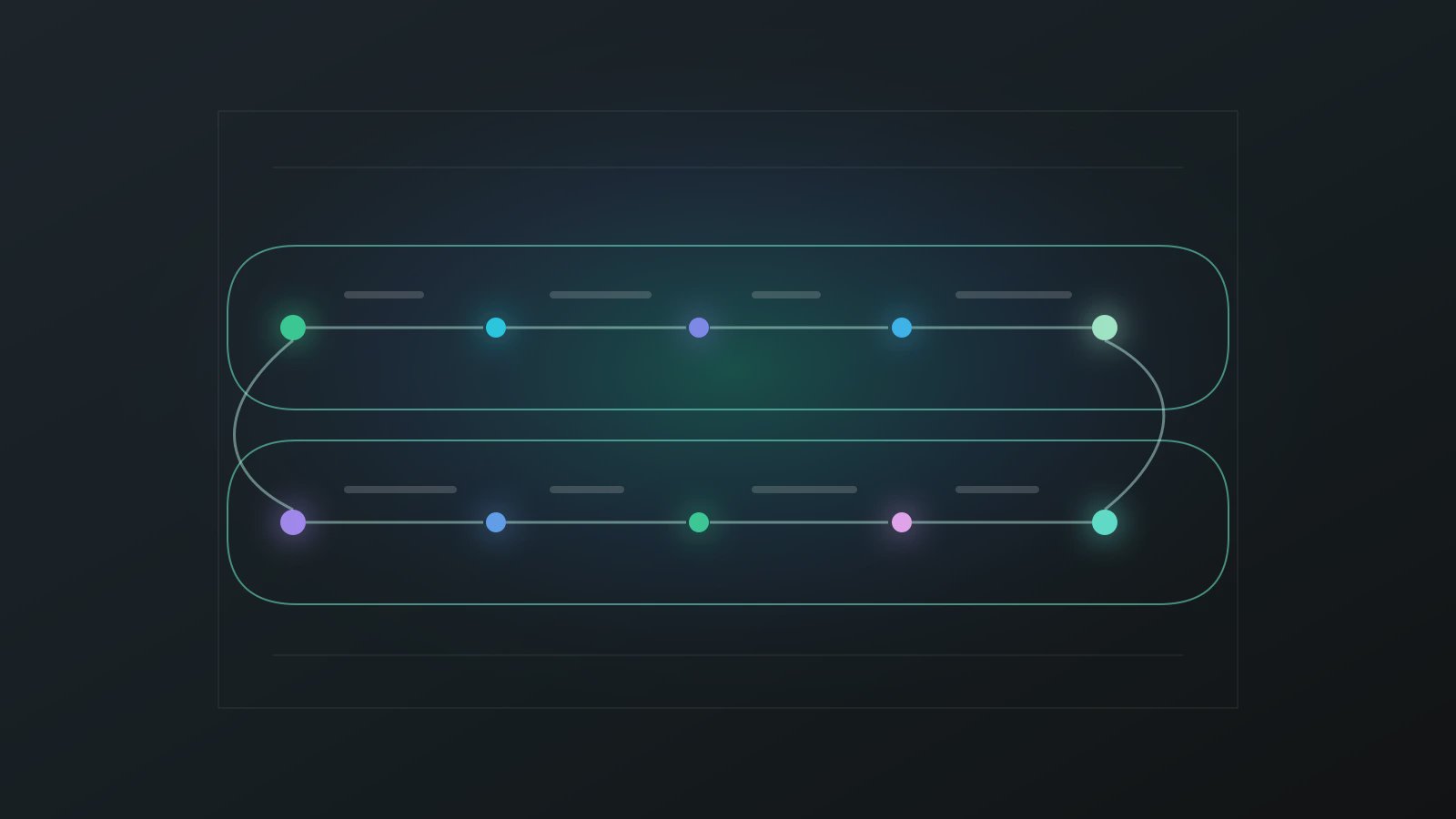
A Codex Axon Content Ops Workflow is an AI employee process for content operations. It connects topic strategy, article drafting, bilingual alignment, cover generation, quality scoring, cross-topic duplicate checks, dry-runs, human review, and backend publishing control. Content teams waste time every day tracking versions, fixing repetitive structures, checking bilingual quality, and worrying about accidental publishing; the bottleneck is operational review, not only writing. It is a good example of Axon's value because content operations are not a single writing task. They are a daily workflow that must be stable, auditable, non-repetitive, and blocked from publishing until the owner approves.
OpenAI Developers' Codex use cases place Codex in engineering, automation, workflow, and knowledge-work contexts. OpenAI's code generation guide describes Codex for code review, bug fixing, feature implementation, and test writing. Anthropic's Effective Context Engineering for AI Agents is useful because it frames context as something that should be curated, compressed, and selected. Inside Axon, these capabilities become much more useful when organized as a Codex Axon Content Ops Workflow instead of being left in a long chat.
The hard part of content operations is not writing one article. It is producing a set of reviewable, non-duplicative, publish-ready assets every day without losing the approval boundary.
What the workflow actually contains
The operator rarely asks for "write four articles" and nothing else. The real request includes a date, background context, language pairs, structural variation, cover variation, score requirements, multiple review passes, and a publishing ban until manual approval. Axon has to turn that into an executable chain:
- Read content rules and the historical TODO to confirm date, category, type, and anti-duplication constraints.
- Check product facts and external sources before writing claims.
- Update the TODO control document with each slug's angle, example, links, and submit status.
- Create Chinese and English drafts, cover sources, and compressed WebP files.
- Run evaluator, topic-pair dry-runs, duplicate checks, link checks, cover checks, and ops auto-checks.
- Review the batch like an editor, fixing real weaknesses instead of inventing harmless micro-changes.
- Wait for user approval before any backend
--submitcall.
That is the value of the Codex Axon Content Ops Workflow. Codex can participate in file edits, script execution, and revisions. Axon preserves state, permissions, workflow evidence, and the publishing gate.
A run ledger beats "done"
{
  "workflow": "content-ops-2026-06-01",
  "status": "awaiting_user_review",
  "sourceData": [
    "content factory Skill spec",
    "product ground truth",
    "official Codex sources",
    "approved Axon sitemap links"
  ],
  "artifacts": {
    "todo": "TODO.md",
    "articles": 8,
    "covers": 4,
    "dryRunReports": 4
  },
  "mustNotDo": [
    "submit before user approval",
    "invent unsupported SDK claims",
    "reuse body blocks across topics"
  ]
}
The ledger gives the content owner more than a final reply. It shows which assets exist, which checks passed, and which action is still stopped by Trust Mode.
Why content operations prove the workflow thesis
Content operations span writing, design, SEO, scripts, editorial judgment, and backend publishing. They are naturally not a single-model task. One good output can be lucky. Thirty days of consistent output is the real benchmark. Axon's System Skills, User Skills, Agents, Trust Mode, Schedule, and workspace scope match different parts of that chain.
The content workflow also exposes weaknesses in generic agent use. A model may reuse the same opening, repeat FAQ answers, copy a five-step structure, or turn an unverified external rumor into a product claim. Axon can manage batch priority with a Workflow Run Queue, recover failed checks with Skill Fallback Routes, and leave debugging evidence through Workflow Telemetry Spans.
Quality gates should feel like release engineering
| Gate | Passing standard | Failure response |
|---|---|---|
| Topic differentiation | Four slugs answer different intents | Rewrite the TODO angle |
| Fact boundary | Codex claims come from official OpenAI sources | Remove unsupported claims |
| Article quality | Evaluator >= 90, target 100 | Improve structure, information, CTA |
| Duplication | No 60+ character or word body block reused across topics | Rewrite repeated paragraphs or tables |
| Cover asset | Dark technical style, no text, no logo | Redesign the composition |
| Publishing | Human approval exists | Only then run backend submit |
The point of a Codex Axon Content Ops Workflow is not "fully automatic publishing." It is the opposite: everything can be automated up to the publishing boundary, and publishing remains the last explicit approval. That matches the risk profile of business content operations.
Three roles in the content factory
The content owner.
The owner provides the theme, background, target date, and final approval. The owner should not need to inspect every script, but they must be able to judge topic fit and product claims.
The Axon workflow.
The workflow turns the request into TODO entries, drafts, covers, checks, review cards, and a submit gate. It converts chat into observable state.
Codex or another external agent.
The external agent handles developer-side execution: reading files, writing Markdown, generating SVG, running scripts, and making revisions from check output. It should not bypass the Workflow Intake Brief or manual publishing approval.
FAQ
Q1: Is this content workflow only for SEO articles?
No. The same pattern works for tutorials, release notes, customer stories, landing pages, knowledge-base articles, and internal reports. Each asset type needs its own spec, review gate, and publishing boundary.
Q2: Why write bilingual pairs instead of translating one article?
Because English content should fit English search intent, terminology, and reading rhythm. The two versions should align in meaning, but they should not feel mechanically translated.
Q3: When can the workflow submit automatically?
Only after topic fit, facts, body quality, covers, scoring, duplicate checks, links, and dry-runs pass, and after the user explicitly approves the batch.
Make content operations reviewable first
If your team already uses AI to write content, do not only tune the prompt. Split topic planning, sources, structure, cover generation, scoring, duplicate checks, review, and publishing into a Codex Axon Content Ops Workflow. Read more about run queues, fallback routes, and telemetry, then get started by turning reusable checks into Skills, batch execution into an Agent, and final publishing into a Trust Mode decision. Content growth becomes a durable operating workflow, not a lucky writing session.